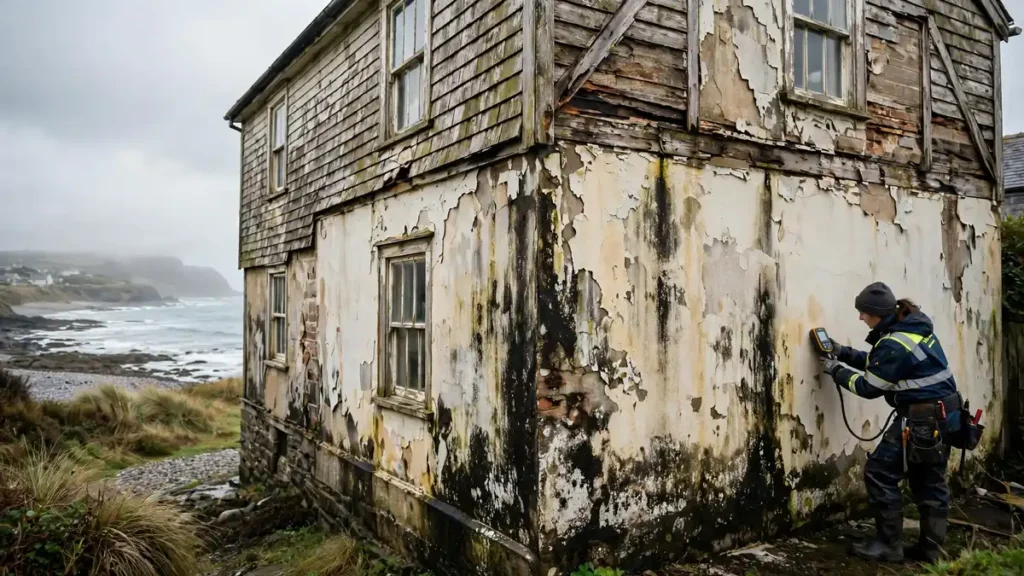

Living near the coast offers many advantages, but the surrounding environment can create challenges for older buildings. Properties exposed to sea breezes, humid conditions, frequent rainfall, and salt-laden air often experience moisture-related deterioration over time. These conditions make waterproofing wollongong an important consideration for homeowners looking to protect ageing properties from leaks, structural damage, and dampness. Understanding how coastal moisture affects building materials and identifying vulnerable areas early can help property owners make better maintenance decisions and avoid expensive repairs.
Why Coastal Conditions Create Moisture Problems
Coastal environments expose buildings to a combination of environmental factors that can gradually weaken protective surfaces and building materials.
High Humidity and Persistent Dampness
Humidity can make it difficult for moisture to evaporate from walls, ceilings, and other building surfaces. Older properties may be particularly vulnerable because their original construction materials and protective systems were not necessarily designed to withstand prolonged exposure to modern environmental conditions.
Poor ventilation can make the situation worse by allowing moisture to accumulate inside enclosed spaces.
Salt Exposure and Material Deterioration
Salt carried through coastal air can settle on external walls, metal fixtures, concrete, and other exposed surfaces. When combined with moisture, these deposits can contribute to corrosion and deterioration.
Concrete structures may also experience problems when moisture and chlorides penetrate the material and reach embedded steel reinforcement. Over time, corrosion can cause cracking, rust staining, and concrete damage.
Heavy Rainfall and Water Penetration
Driving rain can expose weaknesses around windows, balconies, roofs, and exterior walls. Older sealants, damaged flashing, and deteriorated mortar joints may allow water to enter areas that should remain protected.
Repeated exposure can gradually affect internal finishes and building components.
Common Areas Where Older Properties Experience Water Ingress
Not every moisture problem originates from the same location. Identifying the source is essential before selecting an appropriate repair method.
1. Roofs and Ceiling Spaces
Ageing roof coverings, damaged flashing, blocked gutters, and deteriorated roof junctions can allow rainwater to enter the building.
Homeowners may notice ceiling stains, peeling paint, damp insulation, or water marks after heavy rainfall.
Regular roof inspections and properly maintained drainage systems can help prevent these issues from developing further.
2. Bathrooms and Wet Areas
Bathrooms are exposed to frequent moisture from showers, baths, and plumbing fixtures. Over time, deteriorating grout, damaged silicone joints, or failing waterproof membranes can allow water to penetrate surrounding structures.
Warning signs include loose tiles, persistent musty smells, damp walls, and moisture appearing in rooms adjacent to bathrooms.
3. Basements and Below-Ground Walls
Older properties with basements, cellars, or retaining walls may experience water penetration from surrounding soil.
Hydrostatic pressure can force groundwater through cracks, construction joints, and other weaknesses. Poor drainage around the property can increase the likelihood of these problems.
4. Balconies and External Walls
Balconies are regularly exposed to rainfall, temperature changes, and coastal weather. Damaged surface coatings, inadequate drainage, and deteriorated joints can allow moisture to move beneath tiles or into the building structure.
External masonry can also develop cracks and weakened mortar joints that create pathways for water entry.
How Coastal Moisture Affects Older Building Materials
Ageing properties often contain materials that respond differently to prolonged moisture exposure.
Brickwork and Mortar
Traditional brick buildings can absorb water through porous surfaces and deteriorating mortar joints. Salt deposits may also contribute to surface damage, including efflorescence and, in some cases, more serious masonry deterioration.
Timber Structures
Timber frames, flooring, window surrounds, and roof components can be affected by persistent dampness. Prolonged exposure may contribute to swelling, decay, and conditions that encourage fungal growth.
Adequate ventilation and prompt moisture control are important for preserving timber components.
Concrete and Reinforcement
Concrete may appear durable, but it is not completely waterproof. Water and chloride penetration can contribute to reinforcement corrosion, particularly in coastal environments.
Cracks, rust stains, and sections of loose or deteriorating concrete should be assessed by an appropriate building professional.
Choosing Suitable Waterproofing Solutions for Older Homes
Effective waterproofing begins with identifying where moisture originates and how it enters the property. Applying a coating without addressing the underlying cause may only provide temporary improvement.
Professional Moisture Assessments
A qualified waterproofing specialist can inspect vulnerable areas, assess visible damage, and investigate potential water entry points.
Depending on the situation, an assessment may include moisture readings, drainage inspections, examination of building joints, and checks of existing waterproofing systems.
Selecting Appropriate Protective Treatments
Different parts of a building require different waterproofing approaches.
- External walls: Suitable breathable or protective coatings may help reduce water penetration while allowing appropriate moisture movement.
- Bathrooms: Modern waterproof membranes can protect floors, walls, and wet-area junctions.
- Basements: Internal or external waterproofing systems may be considered depending on groundwater conditions and the building structure.
- Balconies: Proper membranes, drainage falls, and sealed junctions help protect the underlying structure.
Material compatibility is particularly important in older buildings because unsuitable treatments can trap moisture and contribute to further deterioration.
Preventive Maintenance That Makes a Difference
Waterproofing should not be treated as a one-time activity. Regular maintenance helps preserve protective systems and identify developing problems.
Property owners should periodically inspect gutters, downpipes, roof coverings, external sealants, window frames, and balcony drainage outlets. Cracks and damaged joints should be investigated rather than simply covered with paint.
Maintaining adequate ventilation in bathrooms, kitchens, and enclosed spaces also helps control indoor humidity.
For coastal properties, regular inspections are especially valuable because salt exposure and changing weather conditions can gradually affect protective materials.
Final Thoughts
Coastal moisture presents ongoing challenges for older properties, particularly those exposed to humidity, salt air, and frequent rainfall. From deteriorating mortar and corroding concrete reinforcement to leaking balconies and damp internal walls, moisture-related problems can affect both building appearance and structural condition.
Understanding vulnerable areas, identifying the source of water ingress, and choosing compatible waterproofing treatments can help homeowners protect their properties for the long term. Combined with regular maintenance and professional inspections, these measures support a healthier, more durable building in Wollongong’s coastal environment.